Pilates for Healthy Aging: Build Strength, Balance & Mobility at Any Age
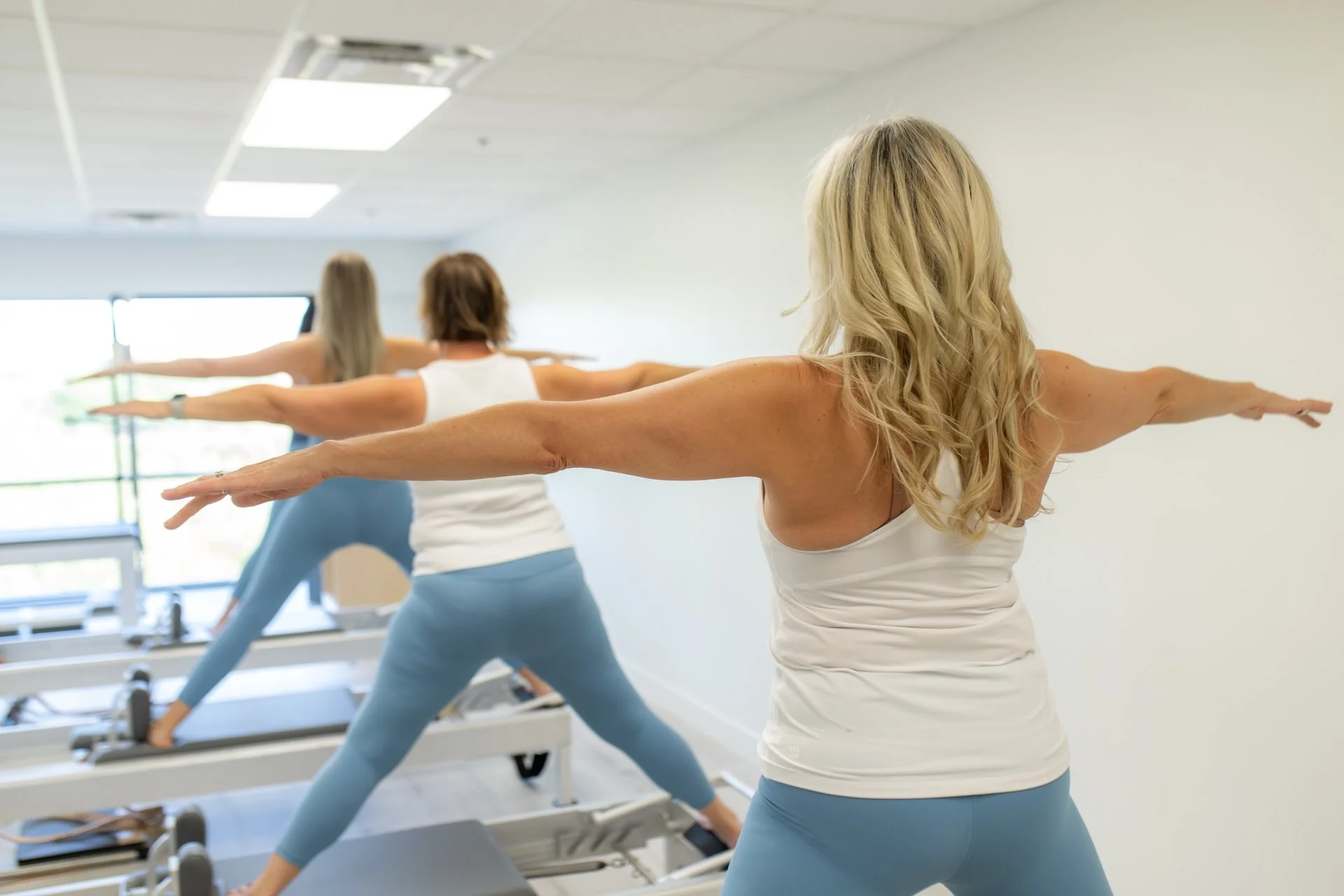
Healthy aging is about more than simply adding years to your life. It is about maintaining the strength, mobility, balance, and confidence to continue doing the things you enjoy. That might mean traveling comfortably, hiking, playing golf or pickleball, getting up and down from the floor with ease, keeping up with grandchildren, or simply moving through your everyday activities without feeling limited by stiffness or weakness.
At TruForm Pilates in Scottsdale, we believe movement should support the life you want to live. Classical Pilates provides a complete system for developing strength, mobility, coordination, posture, and body awareness—qualities that become increasingly important as we age.
You do not need to be young, flexible, or exceptionally fit to benefit from Pilates. The method can meet you where you are while continuing to challenge you as your strength and understanding grow.
Why Strength Becomes More Important as We Age
Strength is essential for far more than exercise. We rely on it every day to climb stairs, carry groceries, stand up from a chair, lift a suitcase, get down to the floor and back up again, and participate in the activities we enjoy.
Classical Pilates develops strength throughout the entire body while emphasizing how the body works together as an integrated system. Rather than simply isolating individual muscles, the exercises teach you to connect your arms and legs to your center and maintain control throughout the movement. This creates a different kind of strength—one that is designed to support movement.
In Pilates, you may push, pull, reach, bend, extend, rotate, and stabilize against the resistance of springs, gravity, and your own body weight. As your practice progresses, the exercises become increasingly challenging while continuing to emphasize precision and control.
The goal is not simply to become stronger at Pilates exercises. It is to develop strength that carries into the rest of your life.
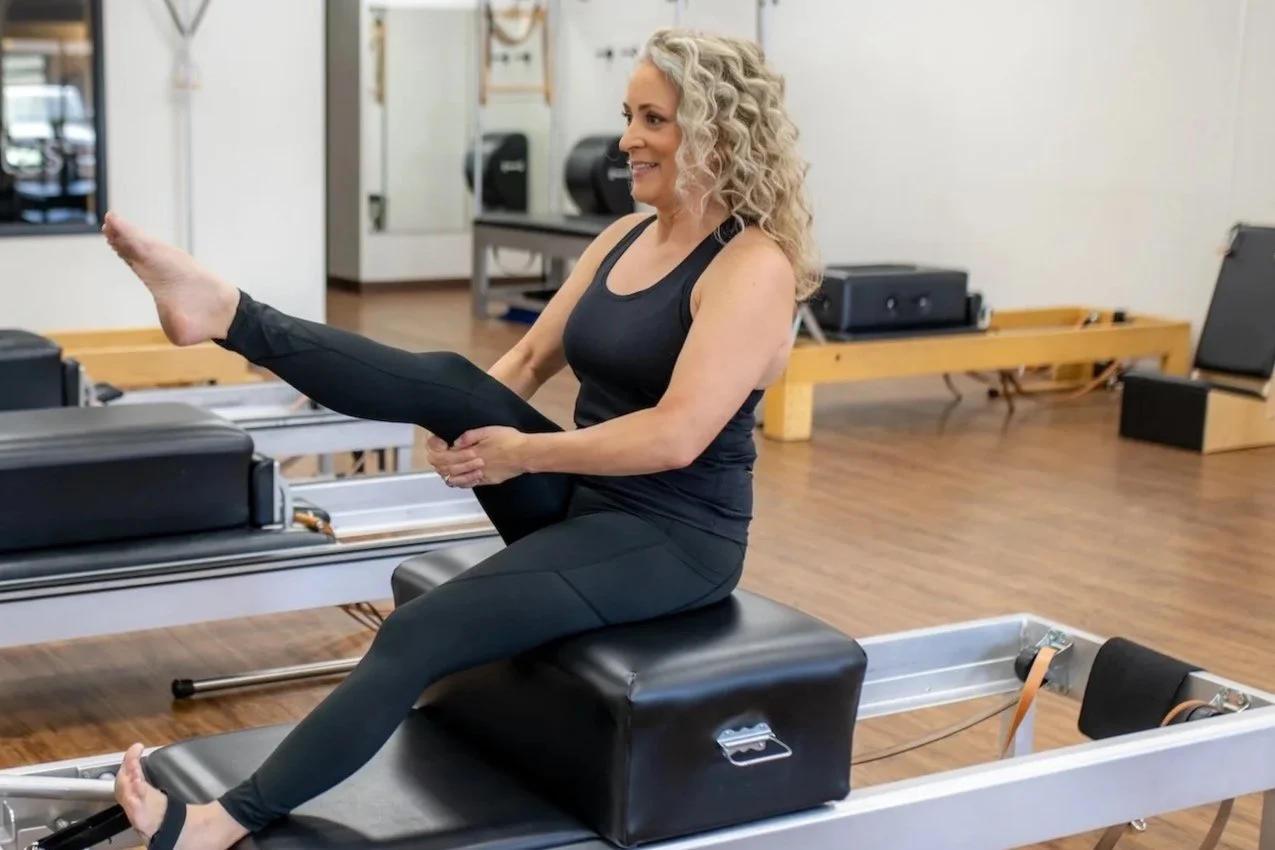
Pilates Helps You Maintain Mobility—Not Just Flexibility
Flexibility and mobility are often used interchangeably, but they are not quite the same thing. Flexibility refers primarily to the ability of a muscle to lengthen. Mobility involves being able to move a joint through its available range with control.
Pilates works on both.
The exercises move the spine through flexion, extension, rotation, and side bending while also asking the shoulders, hips, knees, ankles, and other joints to move in coordinated ways. Just as importantly, you learn to control those ranges of motion rather than simply stretching into them.
For example, being able to bend forward is useful. Being able to bend forward, maintain control, and return to standing with strength is even more valuable.
This combination of strength and mobility is one reason Pilates can be so useful for supporting posture, mobility, and everyday movement.
Balance and Coordination Matter for Everyday Life
Balance is not something we use only when standing on one leg. Every time you walk, step off a curb, change direction, reach for something, climb stairs, or move across an uneven surface, your body is constantly making small adjustments to keep you organized and upright. Pilates challenges balance and coordination in many different ways.
Sometimes the challenge is obvious, such as standing or kneeling on a moving surface. Other times it is more subtle. You may be asked to move your arms and legs while maintaining the position of your trunk, coordinate several movements at once, or control the movement of the Reformer carriage against spring resistance. These exercises require concentration and body awareness as well as strength.
Over time, familiar exercises become more automatic, transitions become smoother, and you may begin to notice greater confidence in the way you move both inside and outside the studio.
Why Posture Matters More Than Standing Up Straight
Posture is often described as simply “standing up straight,” but good posture is not about holding yourself rigidly in one position. It is about being able to organize your body efficiently so that you can move without unnecessary tension.
Classical Pilates develops strength through the center of the body while encouraging mobility through the spine and connection through the arms and legs. The goal is not to force the shoulders back or hold the stomach in. Instead, you learn how to create support from within while continuing to breathe and move.
Improved postural awareness can influence the way you:
Sit at a desk
Stand and walk
Reach overhead
Carry bags or groceries
Bend and lift
Participate in sports and other activities
As your body awareness improves, you may begin to recognize when you are collapsing into a familiar posture or using more tension than you need. That awareness gives you the opportunity to make a different choice.
Pilates Can Meet You Where You Are
One of the greatest advantages of the Classical Pilates system is that it does not rely on a single piece of apparatus or one fixed level of difficulty. At TruForm Pilates Scottsdale, we use the complete system, including the Mat, Reformer, Cadillac, Chairs, Barrels, Ped-o-Pul, and other specialized apparatus. Each piece of appartus provides a different combination of support, resistance, assistance, and feedback.
An exercise that feels difficult on the Mat may become easier to understand with the support of springs on the Cadillac. A movement learned on the Reformer may later be challenged on the Chair. The Barrel may help you explore spinal movement in a completely different way.
Your instructor can choose the apparatus and exercises that are most appropriate for you on a particular day while still working toward the larger goals of the Pilates system. This makes Pilates highly adaptable without losing the integrity of the method.
Learn more about the Classical Pilates appartus used at TruForm Pilates.
You Don't Have to Be Fit or Flexible to Start Pilates
Many people assume they need to become stronger or more flexible before beginning Pilates. You do not.
Pilates is the process through which you begin developing those qualities.
When you are new to the method, your instructor starts with foundational exercises and builds the skills needed for these foundational exericses. You will be introduced to the apparatus gradually. You learn how the springs work, how to position yourself on the apparatus, and how to create the movements safely and with control. As your strength, coordination, and understanding improve, your program progresses with you.
Private instruction is particularly helpful when you are beginning because your instructor can select exercises based on your individual movement history, goals, and needs. At TruForm Pilates, your first sessions are not about proving what you can already do. They are about establishing a foundation from which you can continue to grow.
If you are considering beginning Pilates, our Pilates beginner's guide explains what to expect when you start.
Consistency Is What Creates Long-Term Change
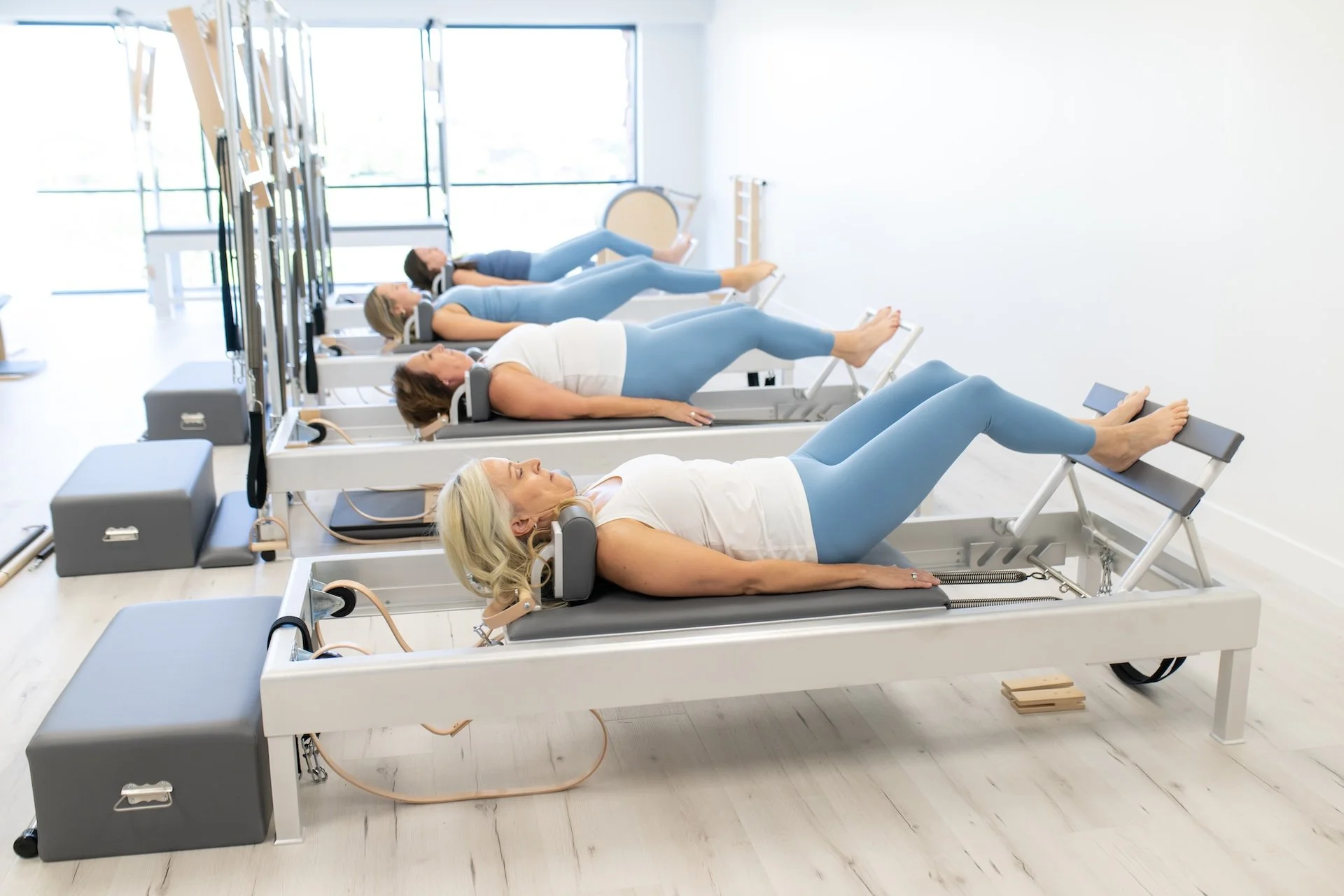
Healthy movement is not created in a single session. Pilates is a skill-based method, and the exercises become more meaningful as you repeat them, understand corrections, and begin recognizing how different parts of the system connect.
At TruForm Pilates, we generally recommend practicing two to three times per week. That frequency gives you the opportunity to revisit exercises while the instructions and sensations from your previous session are still familiar. Instead of repeatedly starting over, you can build upon what you have already learned. Your weekly practice does not necessarily have to consist entirely of Private Sessions.
Depending on your experience and goals, you might combine:
Private Sessions
Semi-Private Sessions
Small Group Classes
We can also create customized Pilates bundles that combine Private, Semi-Private, and Small Group Sessions to help you build a consistent practice that works for your schedule and goals. Call the studio for pricing details.
To learn more about frequency and what you may notice after 10, 20, and 30 sessions, read How Often Should You Do Pilates?.
Pilates Should Support the Activities You Love
The goal of Pilates is not to become more advanced at Pilates. The goal is to get better and life and to continue doing the activities that make life enjoyable.
You may want to:
Walk and hike comfortably
Play golf, tennis, or pickleball
Travel without feeling stiff
Continue gardening
Take dance classes
Get down on the floor and back up easily
Carry groceries or luggage confidently
Keep participating in workouts you enjoy
Feel strong and capable in your everyday life
Pilates can complement these activities by developing the strength, mobility, coordination, and body awareness that support better movement. And because the method is progressive, your Pilates practice can continue evolving with you.
Some periods of life may call for more challenge. At other times, your program may need to emphasize mobility, recovery, or rebuilding strength. The complete Classical Pilates system gives your instructor many ways to adapt your workout while continuing to move you forward.
Healthy Aging Is About Continuing to Live the Life You Want
Aging does not mean giving up challenging movement. It means becoming increasingly thoughtful about how you maintain the strength, mobility, and physical confidence that allow you to keep doing what matters to you.
Classical Pilates gives you the opportunity to continue learning about your body throughout your life. As your practice develops, you become more aware of how you move, where you compensate, where you need greater strength or mobility, and how to make those changes with greater intention. The goal is not simply to perform Pilates exercises well.
The goal is to build a body that supports the life you want to live.
Start Pilates at TruForm Pilates in Scottsdale
Whether you are beginning Pilates for the first time or looking for a more individualized approach to your current practice, TruForm Pilates offers Private, Semi-Private, and Small Group Classical Pilates instruction in a quiet, fully equipped Scottsdale studio. We will help you build a practice based on your goals, experience, and movement needs—and continue progressing as those needs change.
Learn more about getting started with Pilates at TruForm Pilates and begin building strength, mobility, balance, and confidence for the years ahead.