Classical Pilates Equipment Explained: Reformers, Barrels and More
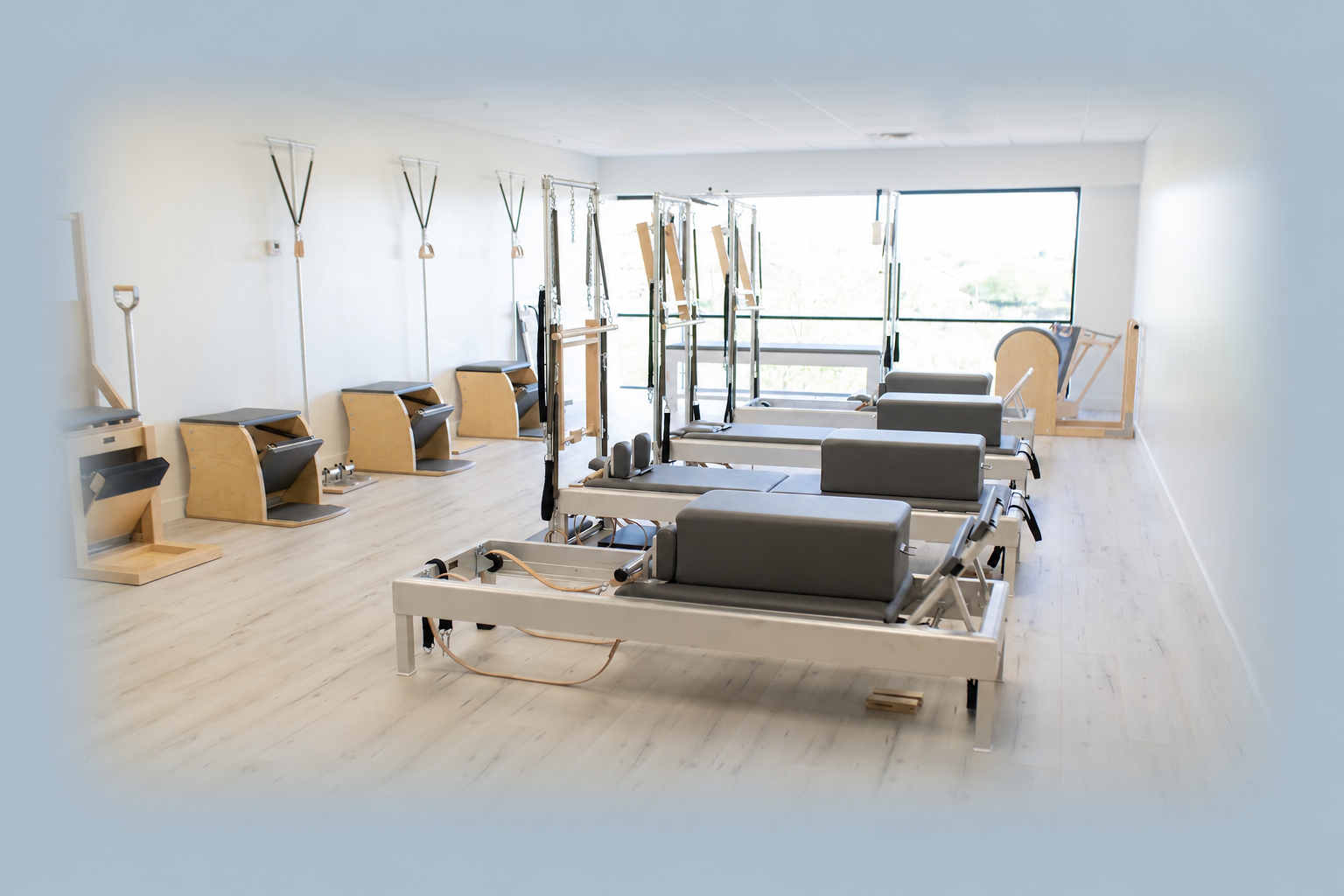
If you've been researching Pilates in Scottsdale AZ, you've probably seen a wide variety of equipment called Pilates machines, Pilates reformers, or Pilates apparatus. Depending on the studio, the equipment can look dramatically different, which often leaves people wondering: What are all these pieces of equipment, and do they really matter?
The answer is yes.
At TruForm Pilates Scottsdale, a Classical Pilates Studio in Scottsdale AZ, we teach the Classical Pilates method using the full system of Classical Pilates equipment originally designed by Joseph Pilates. While many modern studios focus primarily on the Reformer, Classical Pilates utilizes an entire family of apparatus that work together to develop strength, mobility, posture, coordination, and control.
Understanding the purpose of each apparatus can help you appreciate why Classical Pilates remains one of the most comprehensive movement systems available today.
Why Pilates Equipment Is Called Apparatus
One of the first things people notice in a Classical Pilates studio is the terminology. Instead of referring to the equipment as machines, Classical Pilates teachers often use the word apparatus. This distinction is intentional. A machine typically performs work for you or isolates specific muscles. An apparatus, however, is designed to teach movement, provide feedback, and challenge the body in a variety of ways.
Joseph Pilates created each piece of apparatus as part of a complete system. Every spring, strap, bar, and support serves a purpose. Rather than forcing the body into movement, the apparatus helps clients discover better alignment, control, and coordination through movement itself.
The apparatus does not do the work for you. It teaches your body how to work more efficiently. During Private Pilates sessions at TruForm Pilates, clients learn how the Reformer, Cadillac, Chairs, Barrels and smaller apparatus work together as one complete system.
The Classical Pilates Reformer
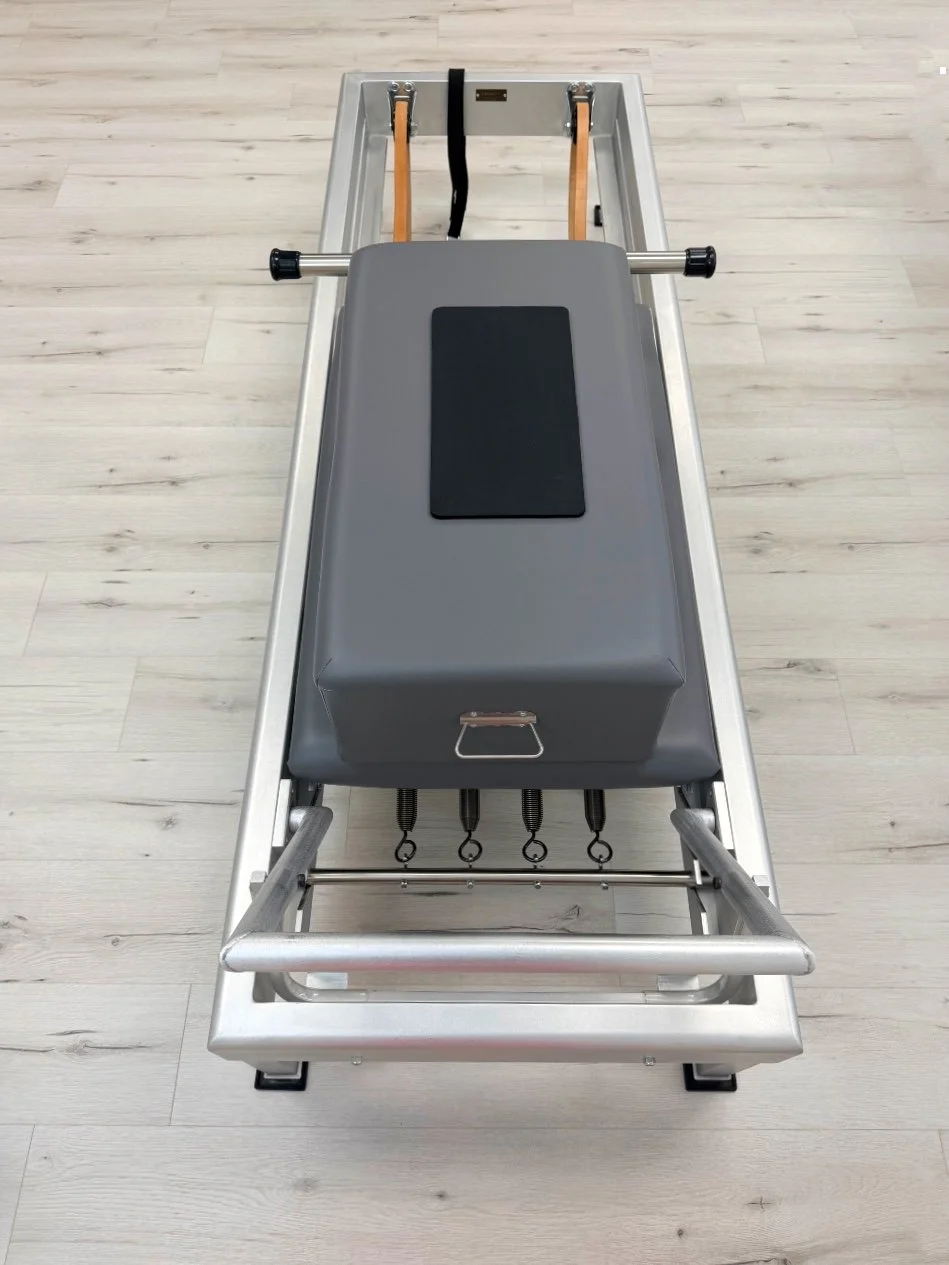
The Classical Pilates Reformer is often the most recognized piece of Pilates apparatus. Designed by Joseph Pilates, the Reformer consists of a moving carriage attached to springs that provide resistance and feedback. Exercises can be performed lying down, sitting, kneeling, standing, or balancing on the apparatus.
The Reformer develops:
Core strength
Postural support
Coordination
Flexibility
Balance
Full-body control
What makes the Reformer unique is that the springs provide both assistance and resistance. This creates an environment where the body learns to move with precision rather than relying on momentum. For many clients, the Reformer becomes an invaluable tool for understanding how the body moves and where compensation patterns exist.
Why Reformer Dimensions Matter
One topic that often surprises people is that not all Reformers are built the same. In many modern fitness-based studios, Reformers are designed with wider carriages, longer frames, and altered spring systems. While these modifications may seem minor, they can significantly change how the body experiences movement.
The original Classical Pilates Reformer was designed with very specific proportions. A narrower carriage naturally encourages the body to stay organized around its center line. This increases awareness, balance, and core engagement because the body cannot rely on excessive external support. Likewise, the original carriage travel and spring resistance create a specific rhythm and flow that are central to the Classical Pilates method.
At TruForm Pilates Scottsdale, we believe these design details matter because they influence how effectively the apparatus teaches movement. The goal is not simply to perform exercises. The goal is to develop strength, control, and coordination through a system that has been refined for nearly a century.
Learn more about why TruForm Pilates uses Legacy Pilates apparatus built to honor the original Classical Pilates specifications.
Why the Classical Pilates Reformer Foot Bar Has Minimal Padding
Another detail that often catches clients' attention is the foot bar. Many modern Reformers feature thick padding on the foot bar designed primarily for comfort. Classical Reformers, however, traditionally use no or minimal padding. This is not an oversight. The firm foot bar provides valuable sensory feedback through the feet and hands.
When pressing into the foot bar during exercises, the body receives clear information about:
Weight distribution
Foot placement
Alignment
Stability
Core connection
A softer surface can sometimes allow the body to compensate by gripping with the toes or relying on comfort rather than control. The Classical design encourages more precise movement and greater awareness throughout the entire body. While it may feel different initially, many clients discover that this feedback helps them develop a stronger connection to their center and better overall movement quality.
The Cadillac: Building Length and Body Awareness
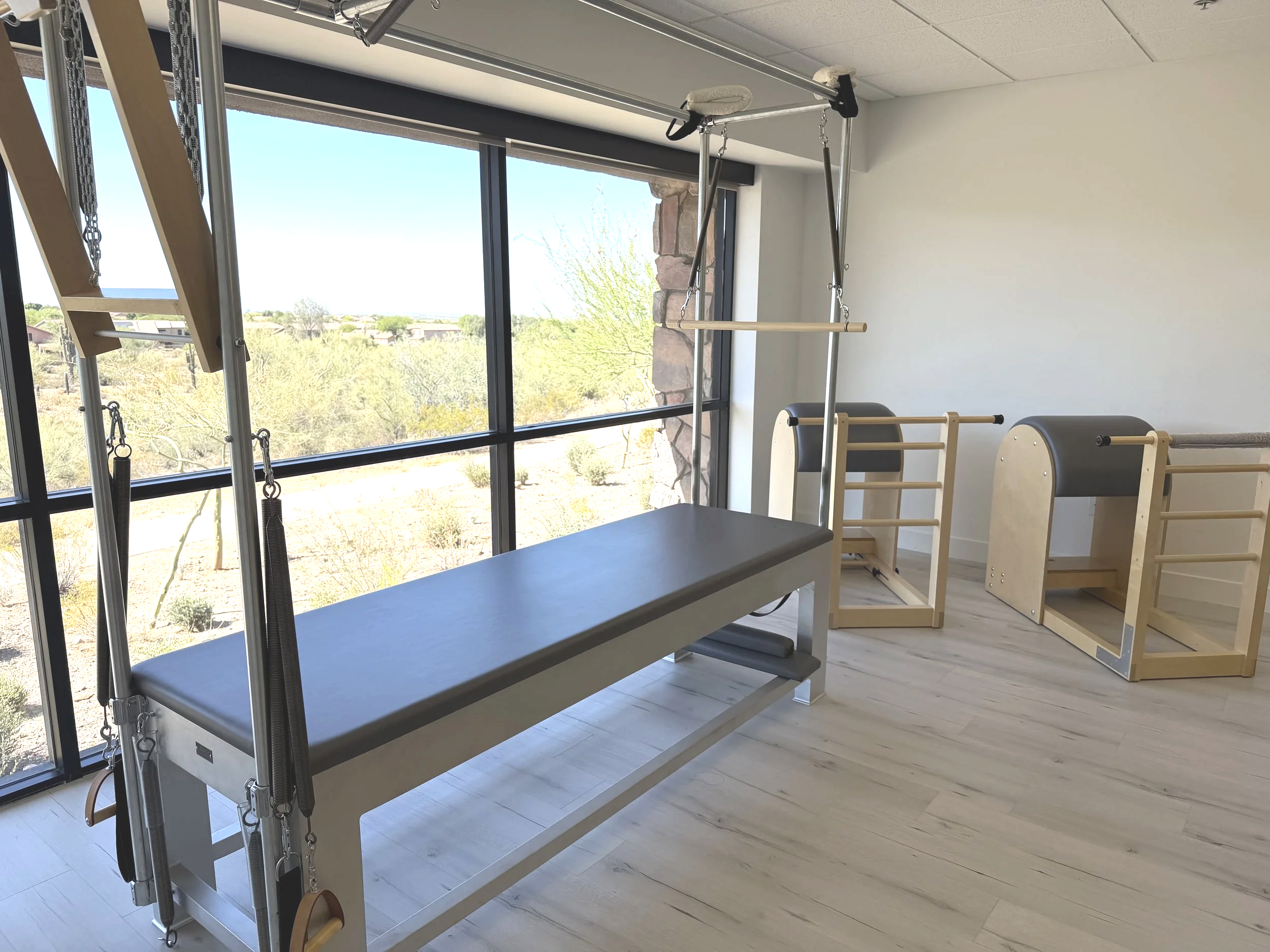
The Cadillac is one of the most versatile pieces of Classical Pilates equipment and an essential part of the complete Pilates apparatus system.
Designed with springs, bars, and straps, the Cadillac helps clients develop length, support, and two-way stretch—reaching in opposite directions while maintaining strength and control. The frame of the Cadillac also serves as a valuable reference for what Pilates calls the body's box, helping clients keep their shoulders and hips square and balanced during movement.
The Cadillac helps develop:
Length and lift through the spine
Two-way stretch and full-body integration
Postural awareness and alignment
Shoulder and hip stability
Strength and control throughout the body
Because of its versatility, the Cadillac can support beginners while also providing advanced challenges, making it a foundational part of the Classical Pilates method.
New to the Pilates apparatus? Learn what to expect when beginning Pilates at TruForm Pilates in Scottsdale AZ.
Understanding the Pilates Chairs
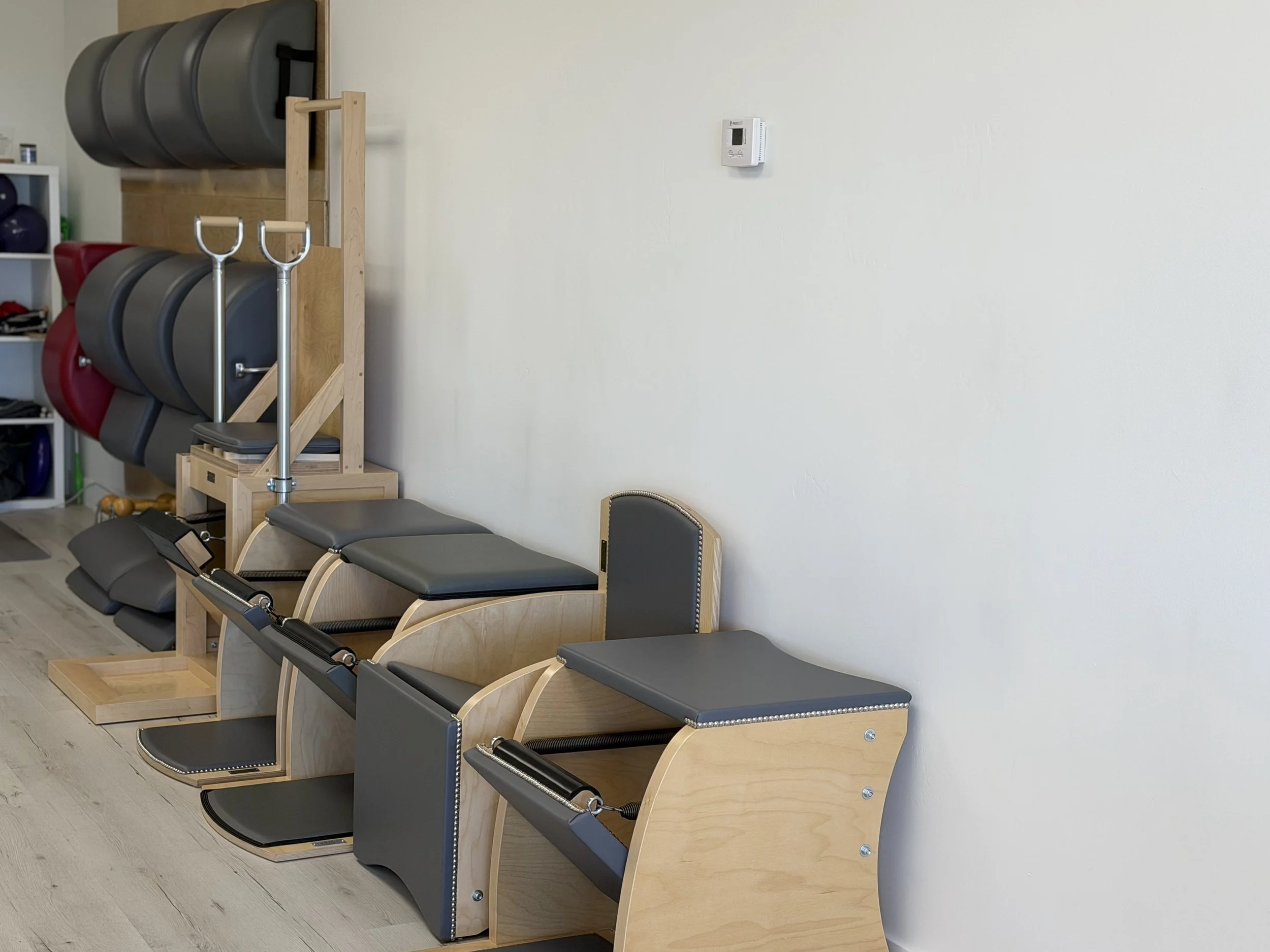
The Pilates Chairs may appear simple, but they are among the most demanding pieces of apparatus in the studio.
The Classical system includes several chair variations, including:
Wunda Chair
High Chair
Baby Chair
Each chair challenges the body differently while emphasizing balance, control, and strength.
The chairs require significant integration of the entire body because the base of support is smaller and the resistance must be managed with precision.
Clients often discover weaknesses, asymmetries, and compensation patterns more clearly when working on the Chairs. This is one reason they remain an important component of Classical Pilates training.
The Barrels: Creating Space and Opening the Body
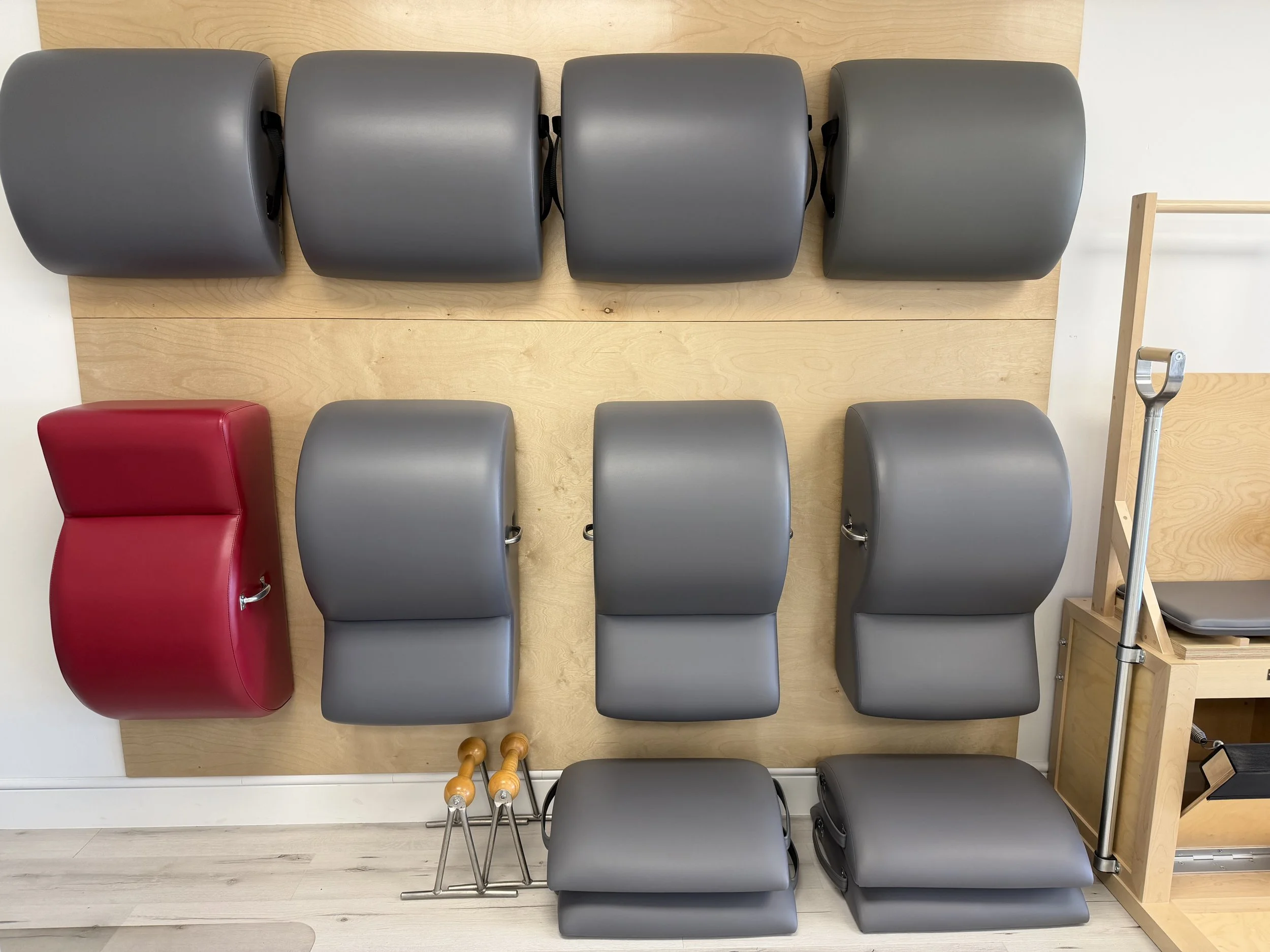
Among the most unique pieces of Classical Pilates equipment are the Barrels, including the Ladder Barrel, Spine Corrector, Small Barrel, and Mini Arc.
While they may appear simple, the Barrels serve a very specific purpose within the Classical Pilates system: to create opening in the body. In Pilates, a common principle is that whatever part of the body is in contact with the barrel is being encouraged to open, lengthen, and find more space.
The curved surface of the barrel supports the body while allowing the spine and joints to move through a greater range of motion with control. This can help create space between the vertebrae, improve mobility throughout the spine, and encourage greater freedom in the hips, shoulders, and rib cage.
The Barrels help clients develop:
Spinal mobility and articulation
Improved posture and alignment
Greater opening through the chest and shoulders
Better breathing capacity through rib cage expansion
Length, support, and flexibility throughout the body
Rather than simply stretching muscles, the Barrels help the body find space and movement between the joints while maintaining strength and control. This creates mobility that feels supported, balanced, and sustainable over time.
The Ped-o-Pul: One of Pilates' Best-Kept Secrets
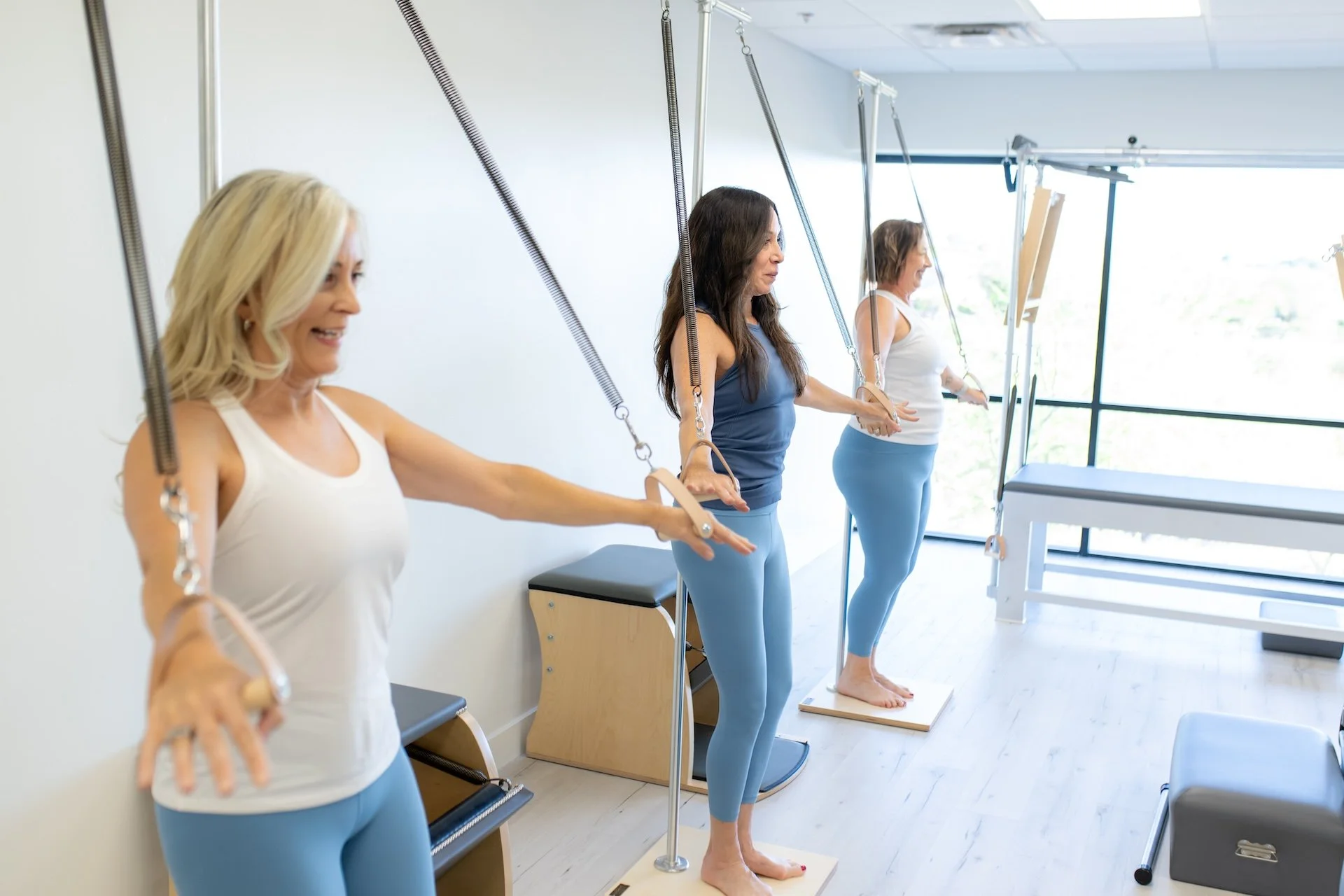
Perhaps the least-known piece of Classical Pilates apparatus is the Ped-o-Pul. Although it is rarely found in many modern studios, the Ped-o-Pul remains one of Joseph Pilates' most ingenious creations. The apparatus consists of a vertical pole with springs attached near the top. Clients perform exercises while standing, using the springs to develop awareness, control, and organization throughout the body.
At first glance, the Ped-o-Pul appears simple. In practice, it provides remarkable feedback about how the body aligns and supports itself against gravity.
The primary purpose of the Ped-o-Pul is to teach lift—the active lengthening of the spine. Rather than simply standing taller, clients learn how to create upward energy through the entire body, organizing from the feet through the crown of the head while maintaining strength and control.
The Ped-o-Pul helps develop:
Active lift and spinal lengthening
Upright posture and alignment
Core engagement and support
Shoulder stability
Balance and body awareness
This concept of lift is central to the Classical Pilates method. As clients learn to actively lengthen the spine, they often experience improved posture, greater ease of movement, and a stronger connection throughout the entire body—both in the studio and in everyday life.
The Small Apparatus: Refining Strength, Control, and Precision
In addition to the larger pieces of Classical Pilates equipment, Joseph Pilates designed a variety of smaller apparatus that play an important role in the system. While they may appear simple, these tools provide valuable feedback and help develop strength, alignment, control, and body awareness. Some of the most well-known small apparatus include:
Magic Circle
Foot Corrector
Toe Corrector
Breath-a-Cizer
Neck Stretcher
Push Up Devices
Arm/Ankle Weights and weighted poles
Each apparatus was created with a specific purpose. The Foot Corrector and Toe Corrector help develop strength, articulation, and awareness throughout the feet while supporting proper leg alignment from the ground up. Because the feet are the foundation of movement, improving their function can positively influence balance, posture, and the way the entire body moves.
The Magic Circle is designed to develop midline connection—the ability to organize and connect the body around its center. Whether placed between the hands, arms, or legs, the Magic Circle helps clients experience balanced engagement throughout the body while improving coordination, control, and core support.
Like the larger apparatus, these tools are not designed simply to strengthen individual muscles. Instead, they provide feedback that helps clients better understand how their bodies move and how the entire system works together. Together, the small apparatus add another layer of precision to the Classical Pilates method, helping clients develop stronger alignment, greater body awareness, and a deeper connection to movement.
Why Classical Pilates Uses So Many Apparatus
One of the most common questions new clients ask is, "Why are there so many pieces of equipment?" The answer lies in Joseph Pilates' original vision of creating a complete movement system rather than relying on a single apparatus.
Each piece of equipment was designed to teach the body something different. The Reformer develops flow, coordination, and full-body integration. The Cadillac emphasizes length, two-way stretch, and body awareness. The Chairs challenge balance, strength, and control, while the Barrels help create space in the body, improve spinal mobility, and encourage greater freedom of movement. The Ped-o-Pul teaches lift, posture, and the active lengthening of the spine.
While each apparatus has its own unique purpose, they are designed to work together as a system. The lessons learned on one piece of equipment often deepen and reinforce the work performed on another. This allows clients to experience movement from multiple perspectives while developing strength, mobility, alignment, and control throughout the entire body.
No single piece of equipment can fully replace the others because each provides a unique type of feedback and challenge. Together, the apparatus create a complete movement education, which is one of the reasons the Classical Pilates method remains such a powerful and effective system for improving how the body moves and functions.
Why the Full Apparatus System Matters
Many modern studios focus primarily on Reformer classes. While the Reformer is an extraordinary tool, it represents only one part of the Classical Pilates system. The full apparatus system allows clients to experience movement from multiple angles and challenges. This variety often leads to:
Better body awareness
Improved posture
Greater mobility
Increased strength
Enhanced balance
More efficient movement patterns
By utilizing the complete system, clients can develop a deeper and more comprehensive understanding of how their bodies function. TruForm Pilates Small Group Pilates Classes use mixed apparatus training, allowing clients to continue to develop strength, mobility and control throughout the complete system.
Explore our Private, Semi-Private and Small Group Pilates packages to find the training format that fits your goals.
Experience Classical Pilates Equipment in Scottsdale AZ
At TruForm Pilates Scottsdale, we teach the Classical Pilates method using the full range of Classical Pilates equipment as it was originally intended. From the Classical Pilates Reformer and Cadillac to the Chairs, Barrels, and Ped-o-Pul, every piece of apparatus plays an important role in helping clients build strength, improve posture, increase mobility, and move with greater confidence.
If you're searching for Pilates in Scottsdale AZ and want to experience more than just a fitness workout, the Classical Pilates apparatus offers a level of precision and movement education that is difficult to find elsewhere.
Read what TruForm Pilates clients say about the apparatus, instruction and studio experience. Read Client Reviews →
Ready to Experience the Full Pilates System?
Book a session at TruForm Pilates Scottsdale and discover how the complete Classical Pilates apparatus can help you move better, feel stronger, and build lasting confidence in your body.
Continue Learning About Classical Pilates